
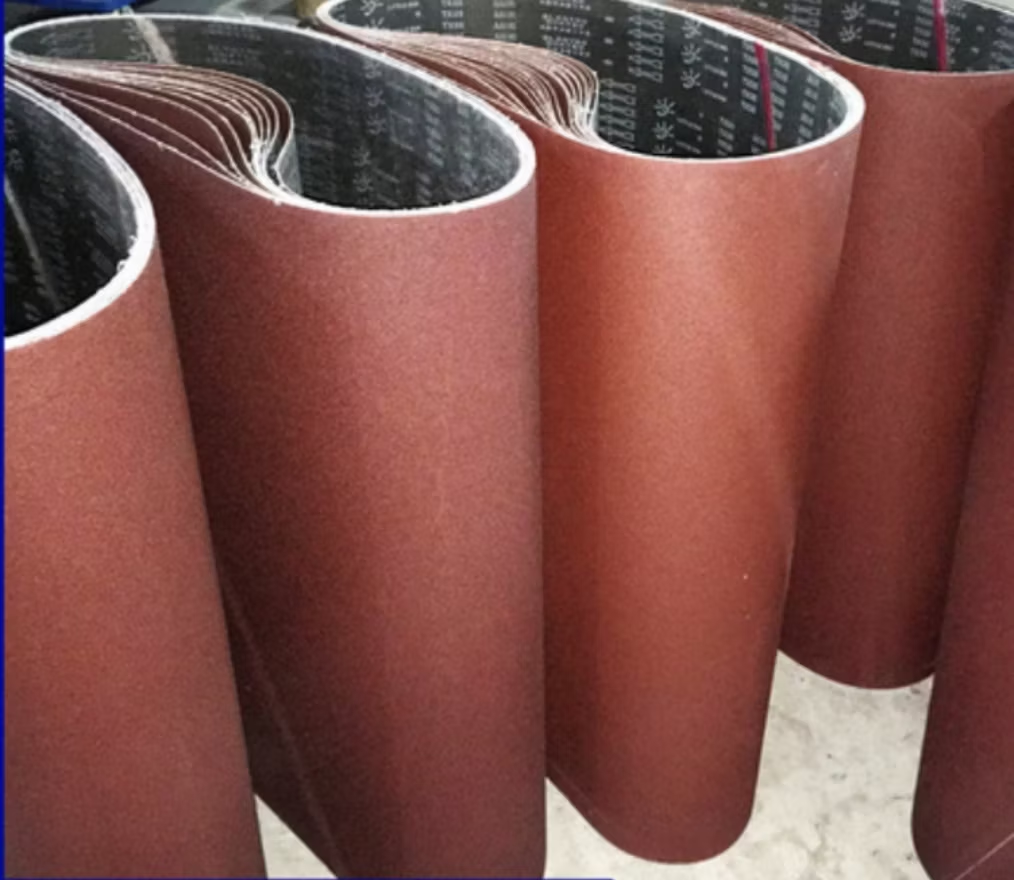
Wide Sanding Belts
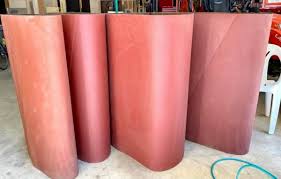
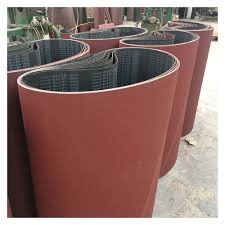
Wide belt sanding belts are essential tools in woodworking, metalworking, and various finishing applications. They are designed to fit wide belt sanders, providing efficient material removal and surface finishing on large workpieces.
Materials
Wide belt sanding belts are typically made from the following materials:
- Aluminum Oxide: A versatile and durable choice suitable for wood and metal. It’s known for its longevity and effectiveness in sanding.
- Zirconia Alumina: Ideal for heavy-duty applications, this material is perfect for sanding tough materials and provides a faster cut rate.
- Ceramic: Offers superior performance, especially for high-pressure applications. Ceramic belts are excellent for metalworking due to their aggressive cutting power.
- Silicon Carbide: Best for sanding hard materials like plastics and composites; it produces a finer finish and is used in wet sanding applications.
Grits
Wide belt sanding belts come in a range of grits, which determine the smoothness of the finish:
Coarse Grits (40-100): Ideal for aggressive material removal and initial shaping.
Medium Grits (120-180): Suitable for general sanding and smoothing surfaces.
Fine Grits (220-400): Used for finishing and preparing surfaces for final coatings.
Extra Fine Grits (P400 and above): Perfect for achieving a polished, smooth finish, especially on delicate materials.
Conclusion
When choosing wide belt sanding belts, consider the material and grit suitable for your specific application to achieve the best results in your projects.
 🟢 Online | Privacy policy